
 By admin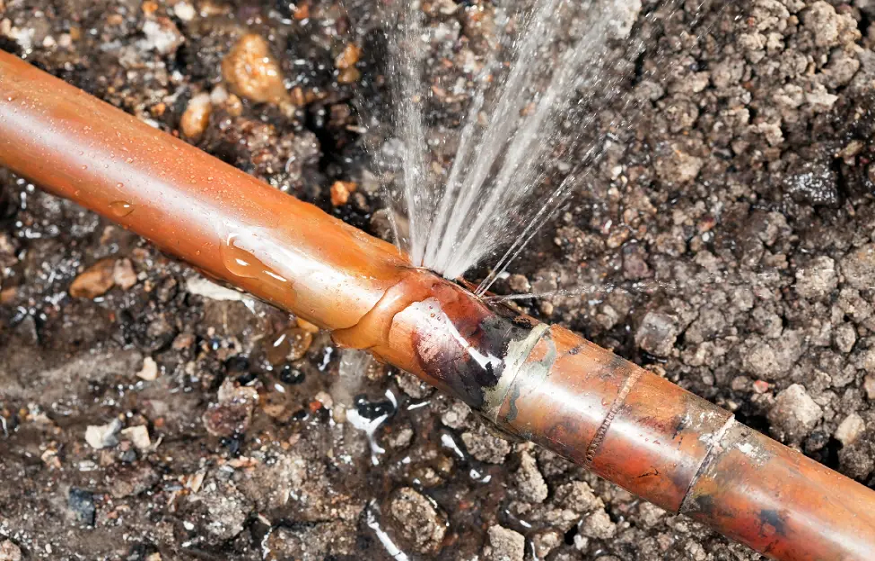
Most burst pipes do not happen without warning. In many cases, a plumbing system provides subtle clues that something is wrong long before a pipe completely fails. Recognizing these early signs can help homeowners take action before extensive water damage, mold growth, and costly repairs become necessary. Knowing what to look out for can mean the difference between a minor fix and a significant restoration project.
Unexpected Changes In Water Pressure
One of the first indicators of a developing pipe problem is inconsistent water pressure. If faucets or showerheads suddenly produce weaker water flow than usual, there may be a crack, blockage, or weakening section somewhere within the plumbing system.
Although low pressure can have several causes, it should never be ignored. A damaged pipe that continues to deteriorate may eventually rupture under normal water pressure, creating a much larger issue than the original warning sign.
Read More: How Waterproof Industrial Power Stations Improve Safety on Construction Sites
Unusual Sounds Inside The Walls
Pipes normally operate quietly. If you begin hearing banging, rattling, hissing, or dripping noises behind walls or beneath floors when no fixtures are running, the plumbing system deserves closer attention.
Water escaping through a small crack often creates sounds that become more noticeable during quiet hours. Addressing these noises early may prevent the need for emergency Burst pipe repair after a complete pipe failure.
Damp Areas That Have No Clear Cause
Moisture appearing on walls, ceilings, or flooring without an obvious explanation should always be investigated. Even a slow leak from a damaged pipe can gradually soak building materials, weakening structural components over time.
Many homeowners mistakenly assume the problem is caused by condensation or humidity. However, hidden plumbing leaks frequently create damp spots that continue to expand if left untreated.
Rising Water Bills Without Increased Usage
An unexplained increase in monthly water bills often signals that water is escaping somewhere within the plumbing system. Even a relatively small leak can waste hundreds of gallons over several weeks.
Comparing recent water bills with previous months can reveal changes that may otherwise go unnoticed. Early investigation helps locate damaged pipes before they deteriorate further.
Discolored Water From Faucets
Water that suddenly appears brown, yellow, or rusty may indicate corrosion inside aging pipes. Corrosion weakens pipe walls and increases the likelihood of cracks or complete failure.
While temporary discoloration sometimes occurs after municipal water maintenance, persistent changes in water color deserve professional evaluation to determine whether aging plumbing components require attention.
Visible Corrosion Or Rust On Exposed Pipes
Basements, utility rooms, crawl spaces, and garages often contain exposed plumbing that can reveal early warning signs.
Look for rust, green discoloration, mineral deposits, or small droplets forming on pipe surfaces. These symptoms often suggest that the pipe material is deteriorating internally as well as externally. Replacing weakened sections before they burst can prevent extensive property damage.
Cracks In Walls Or Flooring
Water escaping from hidden pipes can slowly affect surrounding building materials. Over time, moisture may cause drywall to swell, paint to bubble, flooring to lift, or small cracks to develop.
Although structural movement has many possible causes, plumbing leaks should always be considered when these changes appear alongside other warning signs.
Persistent Musty Odors
A damp environment created by hidden leaks provides ideal conditions for mold and mildew growth. If certain rooms consistently smell musty despite regular cleaning, moisture behind walls or beneath flooring may be the underlying cause.
Locating and repairing the plumbing issue early helps eliminate the moisture source before mold spreads throughout the property.
Read More: Building Your Brand from Scratch: A Step-by-Step Guide for New Businesses
Pipes That Frequently Freeze
Homes located in colder climates should pay close attention to pipes exposed to freezing temperatures. Pipes that repeatedly freeze during winter experience expansion and contraction that gradually weakens their structure.
Even if frozen pipes thaw without bursting, repeated freezing significantly increases the risk of future failure. Proper insulation and preventive maintenance reduce this risk considerably.
Conclusion
Burst pipes rarely occur without warning. Changes in water pressure, unexplained moisture, unusual sounds, rising utility bills, corrosion, and persistent odors can all indicate that the plumbing system requires immediate attention. Acting on these warning signs allows homeowners to resolve small issues before they become major emergencies. Early professional inspection not only protects the plumbing system but also helps avoid the significant costs and disruption associated with extensive water damage.